Benton County Historical Society & Musuem, Oregon Benton County Historical Society Museum logo


P.O. Box 35
Philomath, OR 97370
541.929.6230
Visit the museum!

Contact :: Donate spacer
black spacer
Horner Museum Tour Guide series publications free Benton County Business Directories   Benton County Oregon dynamic history timeline
black spacer
spacer
BCHS&M, Philomath, Oregon
> Home
> About BCHS
> Board of Trustees
> Contact
> Contributors
> Directions
> Donate
> Education Resources
> Exhibition Schedule
> Events
> Links
> Membership
> Museum Store
> News Archive
> Online Exhibitions
> Press Room
> Research
> Site Map
> Strategic Plan
> Volunteers
 
+ Cockrell Quilts
+ Horner Collection
+ Genealogical Society
+ Quilt Guild


Timeline Detail: Oregon Public Works of Art Program - 1935


The Work Projects Administration (WPA) was established in 1935 by executive order of President Franklin D. Roosevelt. The WPA employed millions of Americans and many of the products of their labor are still utilized and enjoyed today.

The Benton County Historical Society is honored to be an official custodian of WPA art by Oregon artists, including Percy Manser, Charles Heaney, Eric Lamade, Martina Gangle, C.C. McKim, Edward Sewall, Robert E. Harbison, Conrad G. Pedersen, William Forsyth McIlwraith, and others.

WPA_McIlwraith

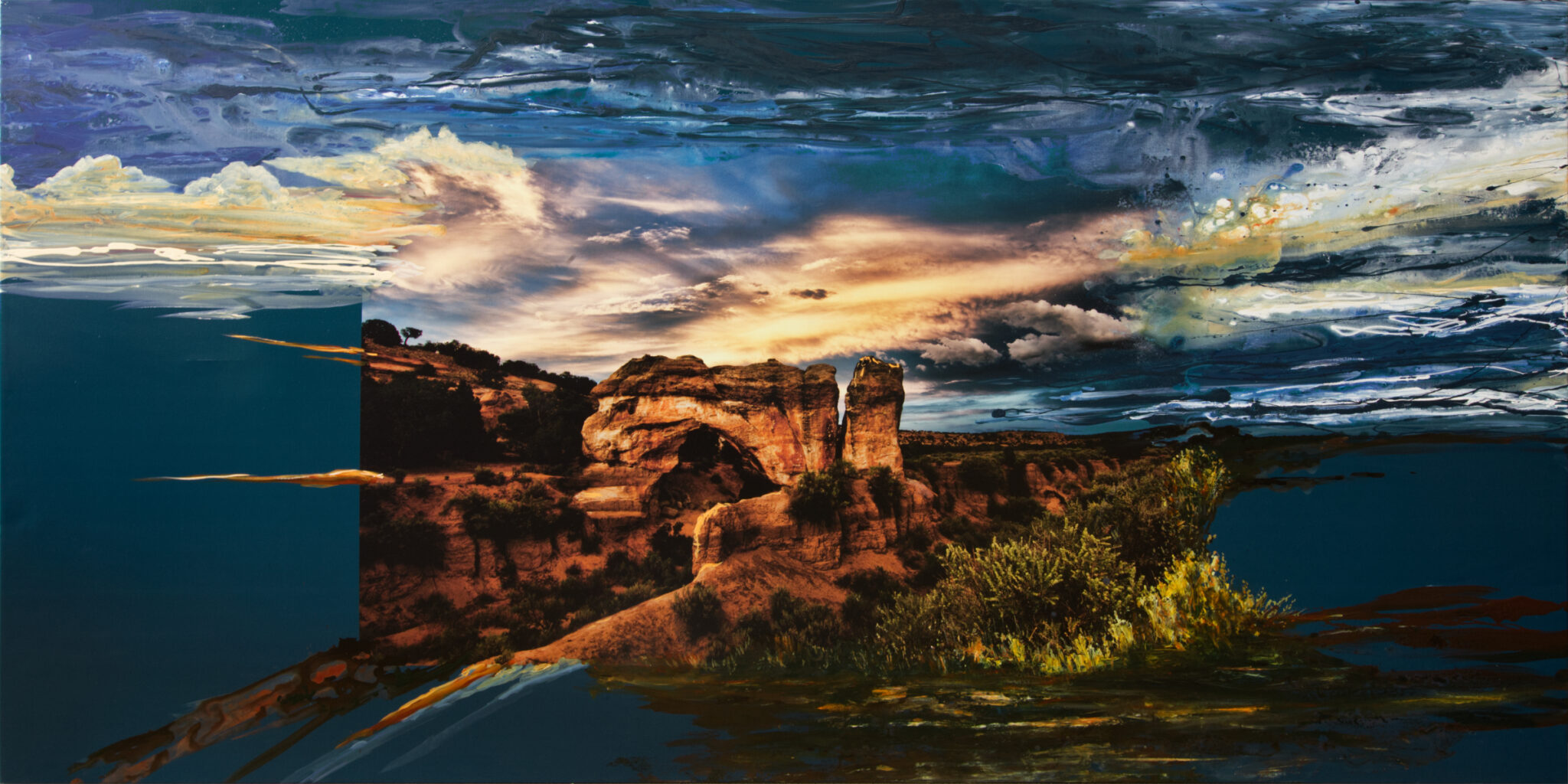
WPA_CCMcKim_mini "South Shore of the Columbia" oil painting by WPA Oregon artist C.C. McKim.
WPA_Harbison_mini "Ducks" and "Beaver" wood carving sculptures made by WPA Oregon artist Robert E. Harbison.
WPA_McIlwraith_mini Etching entitled "Building the Star of Oregon, 1841" by W. F. McIlwraith.


Earning a living from the sale of artwork has always been difficult, especially for those just beginning their careers. To pay the bills, most artists hold other jobs: teaching, illustration, photography, jewelry engraving, or farming. The onset of the Great Depression worsened artists' economic difficulties as these jobs disappeared and as purchases of art declined significantly.

To aid artists and at the same time make art more available to the general population, the federal government created the Public Works of Art Program (PWAP) within the Treasury Department. Funds set aside to pay for artwork in public buildings were awarded based on juried review of proposals, so the program tended to help more established artists, not necessarily the ones with the greatest economic need.

The PWAP provided work for 3,700 artists who created over 15,000 works of art, including murals in many federal buildings, especially post offices. Although the program lasted only one year (1933), the Treasury Department continued to devote funds to art in public buildings though its Section of Painting and Sculpture (1934-1938) and its Section of Fine Arts (1938-9).

In 1935, the federal government began its wider work-relief program, the Works Progress Administration (WPA). It included artists through a section known as the Federal Art Project (FAP). The FAP had three goals: production of art, art education at community art centers, and research on traditional American designs.

To be eligible for this program, an artist had to qualify as a professional artist and meet relief requirements of the state WPA board. Local administrators assigned some artists to specific projects such as murals and posters; other artists were assigned to produce a painting or sculpture every few weeks.

The WPA owned the completed works but deposited them for display at public institutions: museums, schools, and local government offices. Before the program ended in 1943, over 5,000 artists in the FAP created over 100,000 paintings, 18,000 pieces of sculpture, 2,500 murals, and 250,000 prints of 11,000 original designs in the graphic arts.

Relevant location(s): Benton County, Oregon, National


Go Back

1840 | 1850 | 1860 | 1870 | 1880 | 1890

1900 | 1910 | 1920 | 1930 | 1940 | 1950 |1960 | 1970 | 1980 | 1990 | 2000

Return to Timeline Homepage


black spacer
© 2008 - 2012 Benton County Historical Society & Museum
Philomath, Oregon
The Benton County Historical Society is a nonprofit corporation that operates museum facilities for the preservation of history and culture.  Its mission is to:

  1. Preserve the material and intellectual culture of Benton County, Oregon, by acquiring and caring for significant collections that illustrate and interpret the history of the area and its relationship to the world;
  2. Enrich people's lives through exhibitions and educational programs.